Emergency Dentist Plano, TX: Fast Help for Adults and Kids
A true dental emergency has a way of ruining an ordinary day in minutes. A child chips a front tooth at soccer practice. An adult wakes up with throbbing pain and swelling that was not there the night before. A crown comes off during dinner, right before an important work trip. When that happens, people are not looking for a perfect long-term plan in the first five minutes. They want fast relief, clear instructions, and a dental team that knows how to sort a minor urgent problem from a serious one.
That is where an emergency dentist in Plano, TX becomes essential. The best emergency care is not only about speed. It is also about judgment. Some cases Emergency dentist Plano, TX need same-day treatment. Others can wait until the next morning with the right home care. A few require the emergency room first, especially if breathing, bleeding, facial trauma, or uncontrolled swelling is involved.
Families often assume dental emergencies follow a predictable pattern. They do not. Adults and kids present differently, and even two toothaches that sound similar over the phone can turn out to need completely different treatment. One may be a cracked molar that needs a crown. Another may be an abscess that calls for drainage, medication, and close follow-up. Good emergency dental care depends on asking the right questions early and acting without delay when the signs point to something more serious.
What actually counts as a dental emergency
Not every dental problem is an emergency, but many deserve prompt attention. Severe pain is the most obvious example, yet pain alone is not the only clue. A tooth can be cracked with little discomfort at first. A dental infection can smolder for days and then escalate quickly. Children sometimes look surprisingly calm even when a baby tooth has been pushed out of place or a permanent tooth has been injured.
A practical definition is simple: if the problem involves significant pain, swelling, bleeding, trauma, loss of a tooth, or damage that could worsen without prompt care, it should be treated as urgent. Timing matters because teeth and surrounding tissues do not always give second chances. A knocked-out permanent tooth, for example, has the best odds if it is handled properly and evaluated quickly. Delaying care can shift a repairable situation into one that needs root canal therapy, extraction, or more extensive reconstruction.
There is also a category that feels less dramatic but still deserves attention soon. A lost filling, loose crown, or broken denture may not put someone in severe pain, yet it can expose vulnerable tooth structure, interfere with eating, or cut soft tissue. Waiting too long often turns a manageable repair into a bigger expense and a longer appointment.
The emergencies Plano families call about most often
In everyday practice, the same few scenarios come up again and again. Toothaches lead the list, but the reasons vary. Deep decay, a cracked tooth, gum infection, grinding-related fractures, and food lodged beneath the gumline can all create similar pain. The difference matters because treatment is not one-size-fits-all.
Another common call involves dental trauma. Plano has plenty of active families, which means bikes, baseballs, basketball courts, trampolines, and playground accidents all play a role. Sports injuries tend to happen fast and often involve the front teeth. Adults are not immune either. A simple fall on a wet driveway can crack teeth, bruise the jaw, or loosen restorations.
Lost crowns and broken fillings are especially common after hours. They rarely happen at a convenient time. A patient bites into crusty bread, sticky candy, or ice and suddenly feels something shift. Sometimes there is no pain at first, which leads people to postpone care. Then cold air hits the exposed tooth, chewing becomes impossible on that side, and what seemed minor starts to dominate the entire day.
Swelling deserves special mention. Facial swelling near a painful tooth can indicate infection, and infections in the mouth can spread. Not every swollen gum is dangerous, but rapid swelling, fever, trouble swallowing, or difficulty opening the mouth should never be brushed off.
Signs you should be seen the same day
Patients often ask whether they truly need urgent care or if they are overreacting. A few warning signs consistently justify a same-day call to an emergency dentist in Plano, TX:
- Severe tooth pain that does not improve with routine measures
- Swelling of the gums, face, or jaw
- A knocked-out, cracked, or visibly loose permanent tooth
- Bleeding that continues after pressure is applied
- Signs of infection such as pus, foul taste, fever, or pain with pressure
Even with that checklist, context matters. A mild toothache at noon is different from a mild toothache that wakes you at 2 a.m. And comes with swelling by breakfast. Parents should also trust what they see in their child. A child who refuses food, cries when biting, or avoids touching one side of the mouth is telling you something, even if they cannot describe it clearly.
What to do before you reach the office
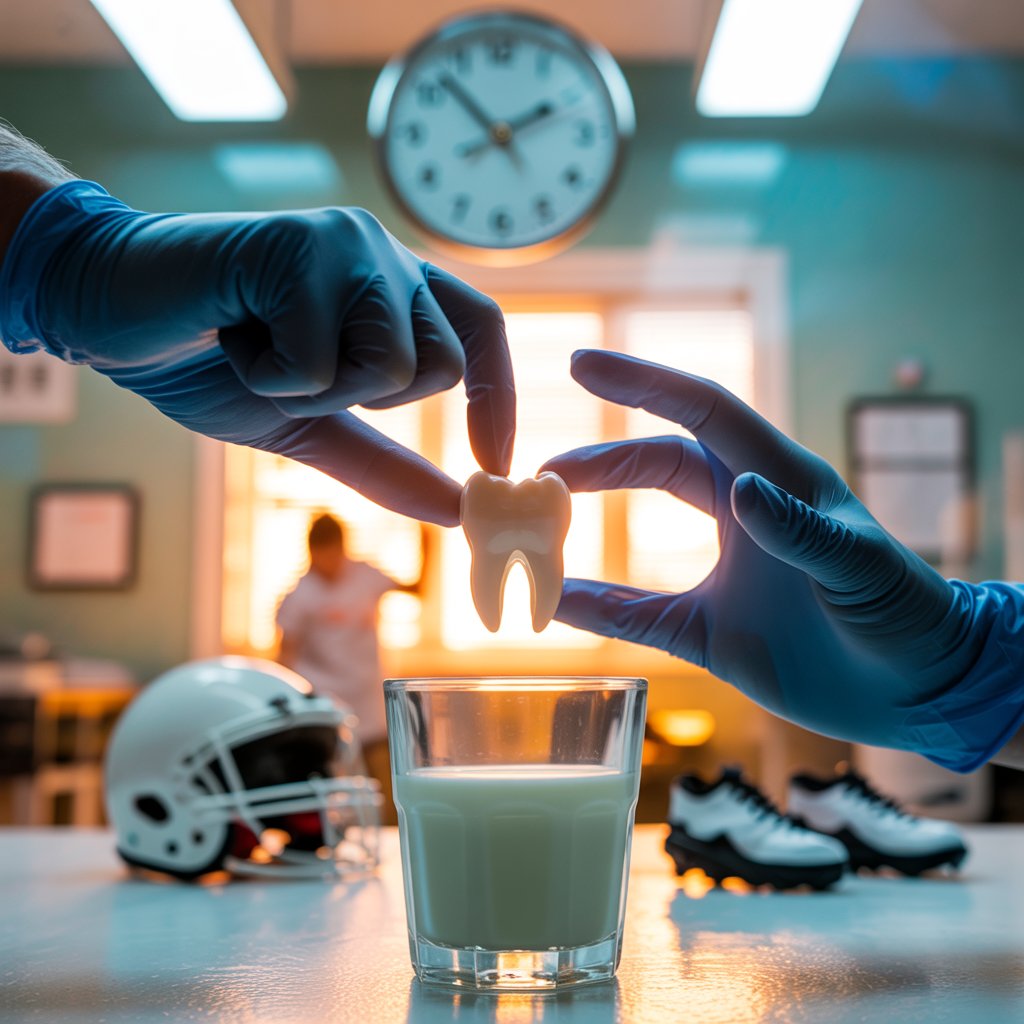
The time between the incident and the appointment matters more than most people realize. A calm, practical response can reduce pain and improve the outcome. With a knocked-out permanent tooth, handling the tooth by the crown rather than the root is important. If it is dirty, a gentle rinse is reasonable, but scrubbing is not. Some teeth can be placed back in the socket if the person is alert and it can be done safely. If not, keeping the tooth moist is the next best option. Milk is commonly used because it is accessible and gentler on the cells than plain tap water.
For swelling, a cold compress applied to the outside of the face can help with discomfort. Warm compresses may feel soothing to some patients, but if the problem is spreading infection or acute inflammation, cold is usually the safer first step while waiting to be evaluated. Over-the-counter pain medication may help, assuming the patient has no medical reason to avoid it. Aspirin should not be placed directly on the gum or tooth, despite the old home remedy. It can burn soft tissue and create a second problem.
If a crown falls off, keep it and bring it in. Sometimes it can be cleaned and re-cemented if the fit is still good and the tooth underneath is sound. If a filling comes out, avoiding very hot, cold, or sugary foods may make the exposed area easier to tolerate until treatment. With a chipped or broken tooth, save any fragments if possible. They are not always usable, but occasionally they help the dentist assess the injury or restore the tooth more conservatively.
When the emergency room makes more sense
Dentists manage a wide range of urgent oral issues, but there are times when the hospital should come first. This is one of the most important judgment calls patients make. If there is difficulty breathing, trouble swallowing, significant facial trauma, suspected jaw fracture, uncontrolled bleeding, or rapidly spreading swelling, the emergency room is the right destination. The same goes for a dental injury paired with a head injury, loss of consciousness, or severe dizziness.
A dental office can often relieve pain, treat infection, stabilize a damaged tooth, and coordinate follow-up care. It is not set up like a trauma center. The smartest decision is not always the fastest dental appointment. Sometimes it is getting medical stabilization first, then involving the dentist once the patient is safe.
Dental emergencies in children need a slightly different approach
Kids are not just small adults with smaller teeth. Their injuries behave differently, their pain response differs, and treatment choices depend heavily on whether the tooth is a baby tooth or a permanent tooth. That distinction matters a great deal. A knocked-out baby tooth is usually not reimplanted, because doing so can injure the developing permanent tooth underneath. A knocked-out permanent tooth in a child, on the other hand, can be time-sensitive and may benefit from immediate action.
Parents often struggle to tell what kind of tooth was injured. A good emergency dental team will ask the child’s age, where the injured tooth sits, whether there is bleeding, and whether the tooth looks longer, shorter, loose, or completely missing. Even when a tooth looks intact, trauma can bruise the ligament around it or affect the nerve inside. That is why children who hit their mouth should still be checked if there is significant tenderness, color change, or trouble biting normally.
Behavior matters too. A frightened child in pain may clamp their mouth shut, resist an exam, or say everything hurts. Experienced pediatric emergency care relies on pacing, reassurance, and simple explanations. The goal is not only to fix the immediate problem but also to keep the experience from turning into lasting dental anxiety. That is easier said than done, but it makes a real difference over time.
What adults tend to ignore, until they cannot
Adults often wait longer than they should. They have work deadlines, family obligations, and a high tolerance for discomfort. Many assume a toothache will pass if they avoid chewing on that side. Sometimes it does settle down briefly, but that can be misleading. Nerves inside teeth do not always flare in a straight line. Pain may lessen for a short period even while infection or structural damage worsens underneath.
Cracked teeth are a classic example. Early on, the only sign may be a sharp zing when biting into something hard. Patients describe it as a fleeting jolt, almost impossible to reproduce on command. Then the crack deepens. The pain becomes more consistent, hot and cold sensitivity appears, and eventually the tooth may split enough to require extraction. A same-day or next-day exam during that early stage can sometimes preserve options that disappear if the patient waits weeks.
Adults with crowns, bridges, implants, or large fillings also face a different set of urgent problems. A loose implant crown may not be painful, but it should not be ignored. A bridge that shifts can trap food and irritate the gumline fast. Teeth with old root canal treatment can fracture below the surface, creating pressure and swelling without a cavity in sight. Emergency dentistry for adults often comes down to untangling years of prior treatment and deciding what can be saved predictably.
What happens during an emergency dental visit
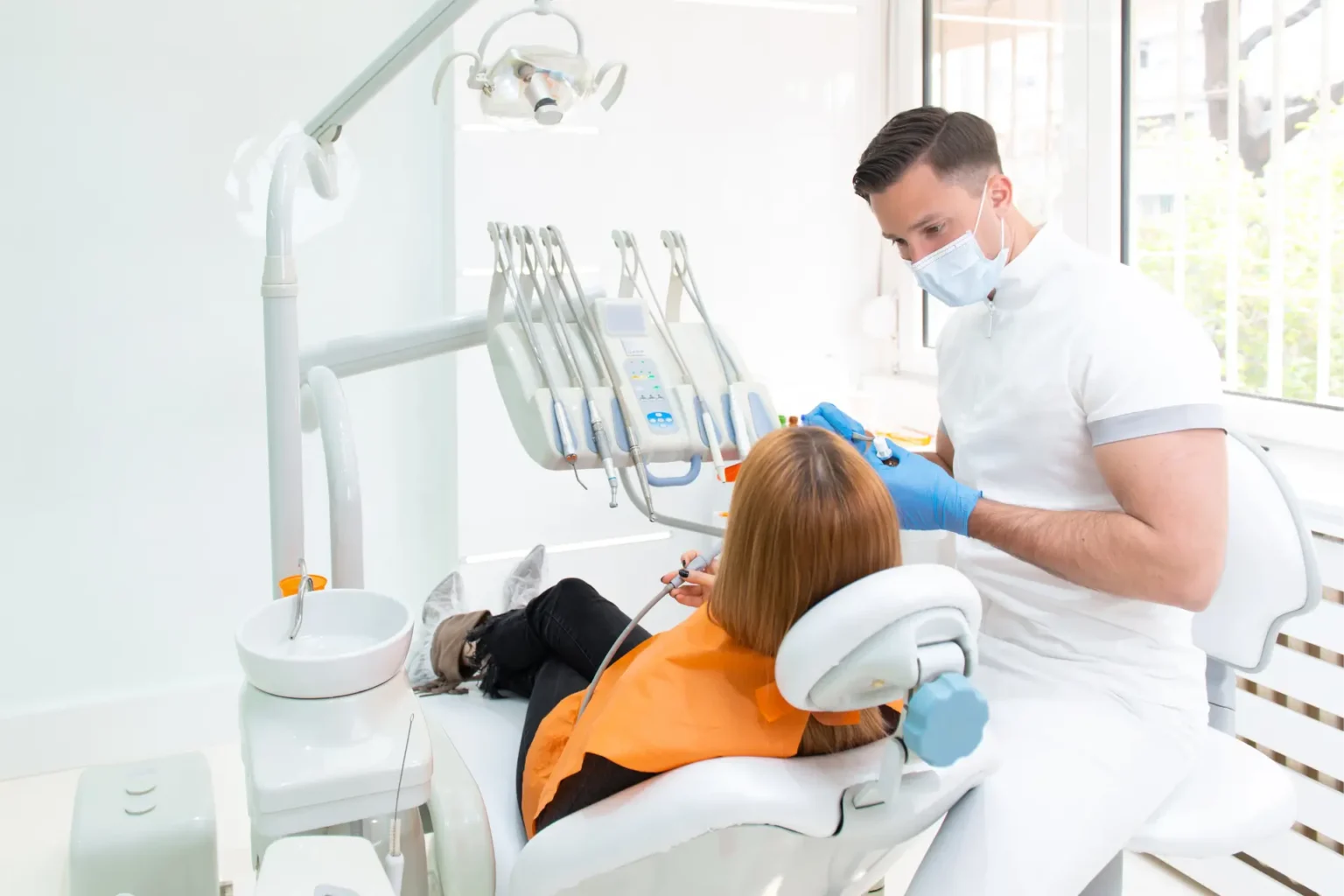
People in pain usually want to know one thing before they arrive: what is the dentist actually going to do? In most urgent visits, the first priority is diagnosis. That usually means a focused exam, a review of symptoms, and X-rays when needed. The dentist is looking for the source of the problem, not just the location of the pain. Those are not always the same. An upper molar can refer pain toward the ear or temple. A lower tooth can make the entire side of the jaw feel tender.
After the cause is Emergency dentist Plano, TX Vitality Dental identified, the immediate goal is stabilization. That may involve draining an abscess, smoothing a sharp broken edge, placing a temporary sedative filling, re-cementing a crown, prescribing medication when appropriate, or beginning root canal therapy. Sometimes the right emergency treatment is an extraction, particularly when the tooth is non-restorable or the infection is severe. Other times the best move is a short-term measure that controls pain and protects the tooth until a longer restorative visit can be scheduled.
Patients are occasionally disappointed to learn that not every emergency visit ends with a full, permanent fix on the spot. That is not poor care. It is often good judgment. Swelling, infection, bleeding, or diagnostic uncertainty can make temporary stabilization the safest first step. The point of emergency dentistry is to relieve suffering and prevent the situation from deteriorating, then move into definitive care under better conditions.
The practical side: timing, cost, and what to bring
Urgent care always feels more manageable when patients know what to expect. Fees vary by the problem, the treatment required, imaging, and whether a specialist is involved. A simple exam with limited X-rays will cost far less than a surgical extraction or emergency root canal therapy. Insurance may help, but coverage is often better for diagnosis and basic treatment than for every restorative option. Front desk teams deal with these questions every day, so calling early and asking directly is worthwhile.
Bringing the right items can make check-in smoother and speed treatment:
- A photo ID and dental or medical insurance card, if applicable
- A list of current medications and allergies
- Any broken tooth pieces, crown, retainer, or appliance involved
- A brief timeline of when the pain or injury started
- For children, the name of their pediatrician and a parent or legal guardian
Photos can also help. If swelling was worse earlier in the day, or the injury happened at school before the child came home, a phone picture may show details that have already changed by the time of the appointment.
How dentists decide between saving and removing a tooth
This is where experience matters. Patients in pain usually want certainty, but honest dentistry sometimes means discussing trade-offs. Saving a tooth is often preferable, especially if the surrounding bone and gum support are good and the crack or decay is not too extensive. Root canal therapy followed by a crown can preserve a functional tooth for many years. Yet not every tooth is worth heroic treatment.
A badly fractured molar below the gumline, a tooth with advanced periodontal bone loss, or a tooth with repeated failed treatment may have poor long-term prospects. In those cases, extraction can be the cleaner and more predictable choice, particularly when the pain is severe and the infection risk is rising. That does not mean the conversation ends there. Replacement options such as implants, bridges, or partial dentures should be part of the plan, along with the timing and cost of each.
For parents, the calculus can be different. A damaged baby tooth may be removed sooner rather than repeatedly treated, depending on the child’s age and the stage of the permanent tooth underneath. On the other hand, preserving a traumatized permanent tooth in a child can be very important, even if the long-term follow-up is more involved.
Why speed matters with infections
Dental infections are easy to underestimate because they often begin in a very local way. A little gum swelling. A dull ache. Pressure when biting. Then the bacteria find a pathway through the root tip or surrounding tissue, and the picture changes. The face swells. The jaw feels tight. Sleep becomes difficult. The person stops eating normally. In more serious cases, the infection can spread into deeper spaces of the head and neck.
That is why an emergency dentist in Plano, TX will ask detailed questions about swelling, fever, and whether the patient can swallow comfortably. Antibiotics can be part of treatment, but they are not magic on their own. If the source of the infection is a dead nerve, trapped pus, or a tooth that cannot be saved, definitive treatment is what resolves the problem. Medication may reduce the bacterial load and buy time, but it does not replace removing the source.
This point surprises many people. They feel better after a day or two on antibiotics and assume the problem is solved. Then the pain returns weeks later, sometimes worse than before. Temporary improvement should be treated as a window to complete care, not as proof that the tooth has healed itself.
Preventing the next emergency
No one can prevent every accident, but many urgent dental visits have a backstory that was quietly building for months. A small cavity ignored until it reaches the nerve. A cracked filling left alone because it did not hurt yet. A night grinder who keeps postponing a replacement guard after the old one breaks. Prevention rarely feels urgent, which is exactly why emergencies keep happening.
Mouthguards deserve special mention for children and adults who play contact or ball sports. Store-bought versions are better than nothing, but custom guards generally fit better, protect more reliably, and are far more likely to be worn. For adults who clench or grind at night, a properly fitted occlusal guard can reduce the risk of cracked teeth and broken dental work. Regular exams matter because dentists often spot failing restorations, hidden decay, or fracture lines before they cause an after-hours crisis.
Good habits at home still count. Brushing with fluoride toothpaste, cleaning between the teeth, not chewing ice, and avoiding using teeth as tools are not glamorous tips, but they prevent a surprising amount of damage. Most dental emergencies are not random acts of bad luck. They are often stress fractures, long-standing decay, or untreated inflammation finally demanding attention.
Choosing the right emergency dental office
When people search for an emergency dentist in Plano, TX, speed is usually the first filter, but it should not be the only one. Availability matters, especially for same-day pain, trauma, or swelling. So does the scope of care. A practice that can handle exams, digital imaging, extractions, root canal triage, temporary restorations, and pediatric emergencies under one roof is often easier for families than bouncing between multiple offices.
Communication is another major factor. During a dental emergency, patients do not need vague reassurance. They need direct answers. Can the office see me today? Is this something a dentist can handle, or should I go to the ER first? What can I do in the next hour to reduce damage? Offices that answer those questions clearly tend to deliver better care from the first phone call onward.
It also helps when the team is comfortable treating both adults and kids. Family emergencies rarely happen one person at a time. A parent who has dealt with a child’s chipped tooth may come back months later with their own cracked molar. Continuity builds trust, and trust matters when people are scared, sleep-deprived, and hurting.
The best emergency dental care is rarely dramatic. It is fast when needed, measured when uncertainty exists, and honest about what comes next. It relieves pain, protects health, and gives patients a plan they can understand. When a tooth suddenly breaks, a child takes a hit to the mouth, or swelling appears out of nowhere, that combination of speed and judgment is exactly what people need.
Vitality Dental
1220 Coit Rd # 106, Plano, TX 75075, United States
+1 972-645-4100
FAQ About Emergency dentist Plano, TX
Will the ER do anything for dental pain?
An emergency department can assess urgent symptoms and provide medical stabilization. Definitive treatment of the tooth usually requires a dentist. Seek emergency medical care for breathing or swallowing difficulty, uncontrolled bleeding, or serious facial injury.
What to do if I have a dental emergency in the middle of the night?
Contact a dentist or after-hours dental service promptly for guidance. If a permanent tooth is knocked out, keep it moist in milk while seeking immediate care. If symptoms suggest a medical emergency, go to an emergency department.
What qualifies as a dental emergency?
A knocked-out permanent tooth, severe or persistent tooth pain, a significant dental injury, or swelling may require urgent dental assessment. Call a dentist to describe the symptoms and determine timing. Uncontrolled bleeding or difficulty breathing or swallowing requires emergency medical care.