Emergency Dentist Services That Can Restore Your Smile Quickly
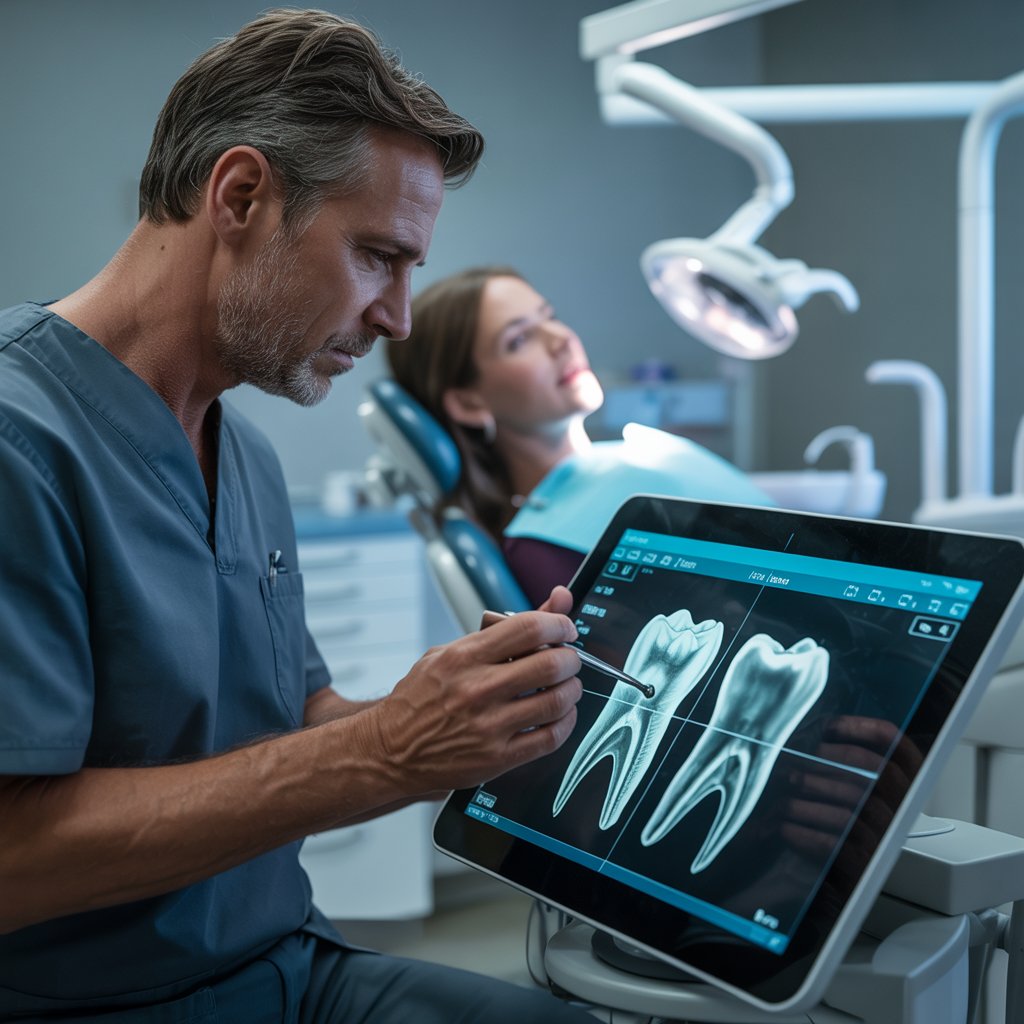
A dental emergency rarely arrives at a convenient time. It tends to happen during dinner, on a weekend, while traveling, or in the middle of a workday when the calendar is already full. One hard bite into a crust of bread, one missed step on the stairs, one old filling that finally gives way, and suddenly the problem is no longer cosmetic or minor. It is painful, distracting, and often urgent.
What makes emergency dental care so important is not just the discomfort. Timing changes outcomes. In my experience, the difference between calling an Emergency Dentist right away and waiting until “it settles down” can mean the difference between saving a tooth and losing it, between a simple repair and a much more involved treatment plan. Quick intervention can stop pain, control infection, protect surrounding teeth, and restore function before a temporary problem becomes a lasting one.
Many people assume emergency dental services are limited to extractions or severe injuries. In reality, the scope is much broader. Emergency care often includes same day diagnostics, pain relief, treatment for infection, replacement of lost restorations, repair of damaged teeth, and stabilization of traumatic injuries. The goal is not always to complete every phase of treatment in a single visit. Sometimes the immediate objective is to get you out of pain, protect the tooth, and create the right conditions for definitive treatment within the next few days.
What counts as a true dental emergency
There is a wide gap between a nuisance and a crisis, but patients are often not expected to judge that perfectly. A mild sensitivity to cold can usually wait for a routine appointment. A toothache that wakes you up at 2 a.m., a swelling near the gumline, or a tooth that has been knocked loose needs quicker attention.
An Emergency Dentist usually sees patients with sudden pain, trauma, swelling, bleeding, broken restorations that expose sensitive tooth structure, and infections that affect daily function. If you cannot chew normally, if pain is intensifying rather than easing, or if the issue came on fast after an accident, it should move higher on your priority list.
Facial swelling deserves special respect. Dental infections can spread through soft tissue, and while many begin as localized problems, they should not be dismissed. The same goes for uncontrolled bleeding, trouble opening the mouth, pain with fever, or a knocked out tooth. Those situations are time sensitive.
Here are signs that should prompt a same day call:
- Severe tooth pain that lasts for hours or worsens with pressure, heat, or lying down
- A knocked out, cracked, or significantly loosened tooth after trauma
- Swelling of the gums, jaw, or face, especially if it is growing
- A lost filling, crown, or bridge that leaves sharp edges or exposed sensitive tooth structure
- Bleeding that does not stop after gentle pressure or an injury to the mouth
Some situations fall into a gray area. A small chip on the edge of a front tooth may not be medically urgent, but it can still feel socially urgent, especially if you have an important event or your speech is affected. A competent Emergency Dentist understands that restoring your smile quickly is not only about infection control or pain relief. It is also about confidence, appearance, and the practical need to get back to work or family life without distraction.
The first goal is relief, the second is preservation
The best emergency dental care follows a simple but disciplined order. First, the dentist identifies the source of the problem. Second, pain and inflammation are brought under control. Third, the tooth, gum, or restoration is stabilized so further damage is less likely. Only then does the conversation turn to final restoration.
This matters because symptoms can be misleading. Patients often point to one tooth and discover the adjacent tooth is the real culprit. Pain can radiate to the ear, the temple, or the opposite jaw. A cracked molar may present like a sinus problem. A dead tooth can sometimes hurt less than an inflamed but still vital tooth. Emergency visits rely heavily on clinical judgment, imaging, bite testing, and the patient’s history in the last 24 to 72 hours.
A skilled emergency team is not rushing blindly toward treatment. They are narrowing possibilities quickly and carefully. In straightforward cases, relief can be immediate. In more complicated cases, the visit may involve temporary measures that buy time while preserving better long term options.
Fast repairs for broken, chipped, and fractured teeth
A broken tooth is one of the most common reasons people seek urgent care. The treatment depends on how deep the damage goes. A small chip in enamel can often be smoothed or bonded in one appointment, especially in the front of the mouth where appearance matters. Composite bonding is frequently used because it can be matched to the tooth shade and shaped carefully enough to look natural under normal social distance.
When a larger piece breaks off, especially from a back tooth, the repair may begin with a sedative or protective material placed over exposed dentin. If enough healthy structure remains, the tooth may be rebuilt and prepared for a crown. If the fracture approaches the pulp, the nerve tissue at the center of the tooth may already be inflamed or exposed, which changes the plan. In those cases, a root canal may be needed before final restoration.
Cracks are trickier than chips because they can hide below the chewing surface and may only reveal themselves during biting. Patients often describe a sharp pain when they release pressure after chewing. Some cracks can be stabilized with a crown if caught early. Others extend below the gumline and cannot be predictably saved. This is where speed helps. A tooth that still feels “mostly okay” on day one may split further if used normally for several more days.
One case I often think of involved a patient who delayed treatment because the tooth only hurt on popcorn kernels. By the time she came in, the crack had propagated through the cusp and into the root area. What might have been a crown earlier became an extraction and implant discussion later. That progression is not rare.
When a crown or filling falls out
Lost restorations are often underestimated. A missing filling can leave a tooth exquisitely sensitive to air, water, sweets, and pressure. A lost crown can expose a prepared tooth that is thinner and more vulnerable than it used to be. If the underlying tooth has decay or fracture, the area can deteriorate quickly.
Emergency treatment here is often efficient and effective. If the crown is intact and the tooth underneath is sound, the dentist may be able to recement it. If the fit is compromised or decay is present, a temporary crown may be placed while a new permanent one is arranged. For a lost filling, the tooth may be cleaned, assessed for decay, and restored the same day if conditions allow.
The speed of these repairs matters because exposed teeth do not remain stable forever. Saliva, bacteria, temperature changes, and bite pressure all work against a weakened tooth. A prompt visit often keeps a small problem small.
Toothaches that need more than pain medication
A toothache is not a diagnosis. It is a symptom with several possible causes, including deep decay, pulp inflammation, infection, a cracked tooth, gum disease, a failing restoration, or even grinding related trauma. Over the counter medication may dull the pain temporarily, but it does not address the source.
When the inner pulp of a tooth becomes inflamed, pain may be spontaneous, throbbing, or triggered by hot or cold foods. Sometimes the discomfort lingers for minutes after the trigger is gone. That detail often tells a dentist more than patients realize. Lingering thermal pain suggests deeper pulpal involvement, while pain on biting points more toward fracture or ligament inflammation.
Emergency treatment for toothache may include removing decay, placing a sedative dressing, adjusting the bite, draining a localized abscess, or beginning root canal therapy. In some offices, root canal treatment can be completed the same day, especially for front teeth or straightforward premolars. In other cases, the emergency goal is to open the tooth, reduce pressure, and stabilize symptoms so the definitive procedure can be completed under better conditions.
Extraction is sometimes the right emergency service, but good emergency care does not default to it. Preservation is usually preferred when the tooth has a realistic chance of long term function and the patient is a good candidate for restoration.
Infection control can change the whole trajectory
Dental infections are one of the clearest examples of why speed matters. An untreated abscess can lead to escalating pain, swelling, foul taste, drainage, difficulty chewing, and poor sleep. In some cases, the pressure from an abscess is so intense that patients cannot concentrate on anything else.
Emergency care aims to reduce the bacterial load and relieve pressure. That may involve drainage through the gum, through the tooth, or both, depending on the source. Antibiotics can play a role, especially when swelling is diffuse or systemic symptoms are present, but they are not a substitute for treatment. A common misunderstanding is that medication alone “fixes” a dental infection. Usually, it only suppresses it temporarily unless the source is physically treated.
This is where practical judgment matters. A localized abscess in an otherwise stable patient may be managed differently than a rapidly spreading infection in someone with fever or significant swelling. A dentist will also weigh medical history, immune status, pregnancy, current medications, and the patient’s ability to return for follow up care.
When infection is brought under control early, the smile is often restored faster than patients expect. Swelling can drop noticeably within 24 to 48 hours once the source is treated. Pain often improves even sooner when pressure is relieved.
Knocked out or loosened teeth after trauma
Traumatic dental injuries require calm and fast action. A fully knocked out permanent tooth is one of the few true race against the clock scenarios in dentistry. The periodontal ligament cells on the root surface begin to die once the tooth dries out, which reduces the chance of successful reimplantation.
If a permanent tooth has been avulsed, handling it properly before you reach the office matters a great deal. Touch the crown, not the root. If it is dirty, rinse it briefly with milk or saline if available, or clean water if that is all you have, but do not scrub it. If possible, place it back in the socket gently and hold it there. If that is not possible, store it in milk or a tooth preservation solution and get to an Emergency Dentist immediately.
Loosened teeth can sometimes be splinted to neighboring teeth so the supporting structures can heal. Fractured front teeth may be bonded, temporarily rebuilt, or treated more extensively depending on pulp involvement. Soft tissue injuries of the lips, cheeks, and tongue may also need attention, especially if a fragment of tooth is embedded in the tissue.
Children add another layer of complexity. A baby tooth that is knocked out is not usually replanted because of the risk to the developing permanent tooth underneath. Parents often panic because blood in the mouth looks dramatic, but the right management differs depending on whether the injured tooth is primary or permanent.
What to do before you reach the office
The period between the injury or pain onset and the actual appointment often shapes how smoothly treatment goes. A few simple steps can protect the area and reduce complications:
- Rinse gently with warm salt water if the mouth is sore or there is mild debris
- Use a cold compress on the outside of the face for swelling or trauma
- Save broken tooth fragments or a lost crown and bring them to the visit
- Avoid chewing on the affected side and skip very hot, very cold, or sugary foods
- Take over the counter pain relief only as directed, unless your physician has told you to avoid it
One caution that deserves repeating is this: do not place aspirin directly on the gums or tooth. People still do this, and it can irritate or burn the tissue. Also avoid using household glues to reattach a crown or broken tooth piece. Temporary dental cement from a pharmacy may be useful in some situations, but it is still a short term bridge, not a cure.
Same day cosmetic relief matters more than people admit
Emergency dental care is often discussed in purely medical terms, but appearance can be urgent too. A fractured front tooth before a wedding, interview, presentation, or family photo can feel devastating even if it is not life threatening. Restoring a smile quickly is not vanity. It is part of how people function socially and professionally.
For visible teeth, dentists often use composite bonding as a fast, conservative fix. It can reshape a broken edge, close an irregular gap caused by trauma, and rebuild a chipped corner in a single visit. The best results depend on shade matching, layering, contour, and polish, not just filling the missing area. Good emergency cosmetic work requires an eye for proportion and light, especially on upper front teeth where even slight asymmetry stands out.
Temporary crowns or provisional restorations can also be surprisingly transformative. They may not be the final answer, but they allow a patient to smile, speak, and return to normal life while more definitive work is planned.
When extraction is the fastest path back to comfort
Not every tooth can or should be saved. Sometimes the fastest way to restore comfort and function is to remove a tooth that is severely broken, split below the gumline, or compromised by advanced infection or bone loss. A thoughtful Emergency Dentist will explain why extraction is being recommended and what the replacement options are.
This is where nuance matters. Removing a painful wisdom tooth with recurrent swelling may be the cleanest solution. Extracting a first molar in a younger patient, however, has bigger long term implications for chewing efficiency and tooth movement if no replacement is planned. The emergency visit should still respect the future, even while solving the present.
If extraction is necessary, many offices can discuss immediate next steps at the same appointment, whether that means a temporary flipper for a front tooth, planning for an implant after healing, or considering a bridge. Patients cope better when they know the tooth loss is not the end of the story.
How emergency dentists decide between a temporary fix and a definitive one
Patients often ask, “Can you just take care of it today?” Sometimes the answer is yes. Sometimes the best answer is, “I can stabilize it today and finish it properly very soon.” That distinction is not hesitation. It is professional judgment.
Swollen tissues, active bleeding, uncertain crack patterns, limited opening, or severe tenderness can make same day definitive treatment less predictable. A temporary crown, sedative filling, bite adjustment, or emergency pulpotomy may be the wiser first move. The purpose is to create a more comfortable and controllable environment for the final restoration.
In other cases, a same day Emergency Dentist vitalitydentaldfw.com permanent solution is entirely reasonable. Recementing a sound crown, bonding a clean chip, or draining a small localized abscess can produce immediate and durable relief. The best emergency care is tailored, not formulaic.
Cost, insurance, and the value of acting early
People sometimes delay calling because they are worried about cost. That concern is real, especially when the emergency arrives outside routine office hours. Still, postponing care often raises the final bill. A minor fracture can become a root canal and crown. A salvageable tooth can become an extraction and implant. Even a simple lost filling can become a much larger restoration if decay advances or the tooth cracks.
Most emergency visits include an exam, limited imaging, diagnosis, and immediate treatment or stabilization. Fees vary by region, timing, and complexity. Insurance may cover part of the urgent evaluation and medically necessary treatment, though coverage for crowns, root canals, or replacement options depends on the plan. It is worth asking for an itemized estimate and discussing priorities. Good offices are used to this conversation and can usually separate what must be done now from what can be scheduled later.
Choosing the right emergency dental service
When you need help fast, you are not choosing from a place of leisure. Still, a few qualities matter. Availability is obvious, but it is not the only factor. You want a practice that can diagnose thoroughly, communicate clearly, and offer more than one pathway when appropriate.
A useful sign is whether the office asks focused questions on the phone. They should want to know the type of pain, presence of swelling, history of trauma, bleeding, fever, and whether a tooth is knocked out or loose. That triage process tells you they are thinking clinically before you arrive.
It also helps when the practice can provide a meaningful range of services in house, especially radiographs, restorative care, management of infection, and treatment for trauma. The wider the scope, the more likely your smile can be restored quickly rather than simply patched and referred.
The emotional side of urgent dental care
There is a reason dental emergencies feel more overwhelming than many other health problems. Pain in the mouth is hard to ignore. It affects eating, speaking, sleeping, and concentration. It is visible when front teeth are involved. It can trigger embarrassment, especially if the issue happens in public or before an important event.
A good Emergency Dentist manages more than teeth. They manage fear, urgency, and uncertainty. Patients remember whether someone listened when they described the pain, whether the options were explained plainly, whether the team moved efficiently, and whether they were treated like a person having a rough day rather than a problem to process.
That human side matters because emergency care is often the doorway back into regular care. I have seen many patients return for overdue treatment after one well handled urgent visit simply because they felt respected and relieved.
A restored smile is not always the result of one dramatic procedure. Often it comes from rapid diagnosis, careful stabilization, and the right treatment at the right moment. When pain is eased, infection is controlled, and a damaged tooth is repaired or protected quickly, the path back to normal life is much shorter. That is the real value of emergency dentistry. It gives you back comfort, function, and the confidence to smile again without delay.
Vitality Dental
1220 Coit Rd # 106, Plano, TX 75075, United States
+1 972-645-4100
FAQ About Emergency Dentist
What counts as a dental emergency?
A knocked-out tooth, significant mouth injury, severe tooth pain, or painful swelling warrants prompt evaluation. Call your dentist and describe your symptoms so the office can advise you on how urgently you need care.
What should I do if I knock out a permanent tooth?
Call a dentist immediately. Handle the tooth by the crown, avoid touching the root, and keep it moist. If you cannot put it back into the socket easily, transport it in milk or a tooth-preservation solution. Bring it with you to the appointment.
Should I go to the emergency room for a dental emergency?
Seek emergency medical care right away if you have trouble breathing or swallowing, uncontrolled bleeding, or a serious facial injury. For an isolated tooth injury or toothache without those symptoms, call a dentist promptly for guidance.