Emergency Dentist: What to Do When Tooth Pain Strikes Suddenly
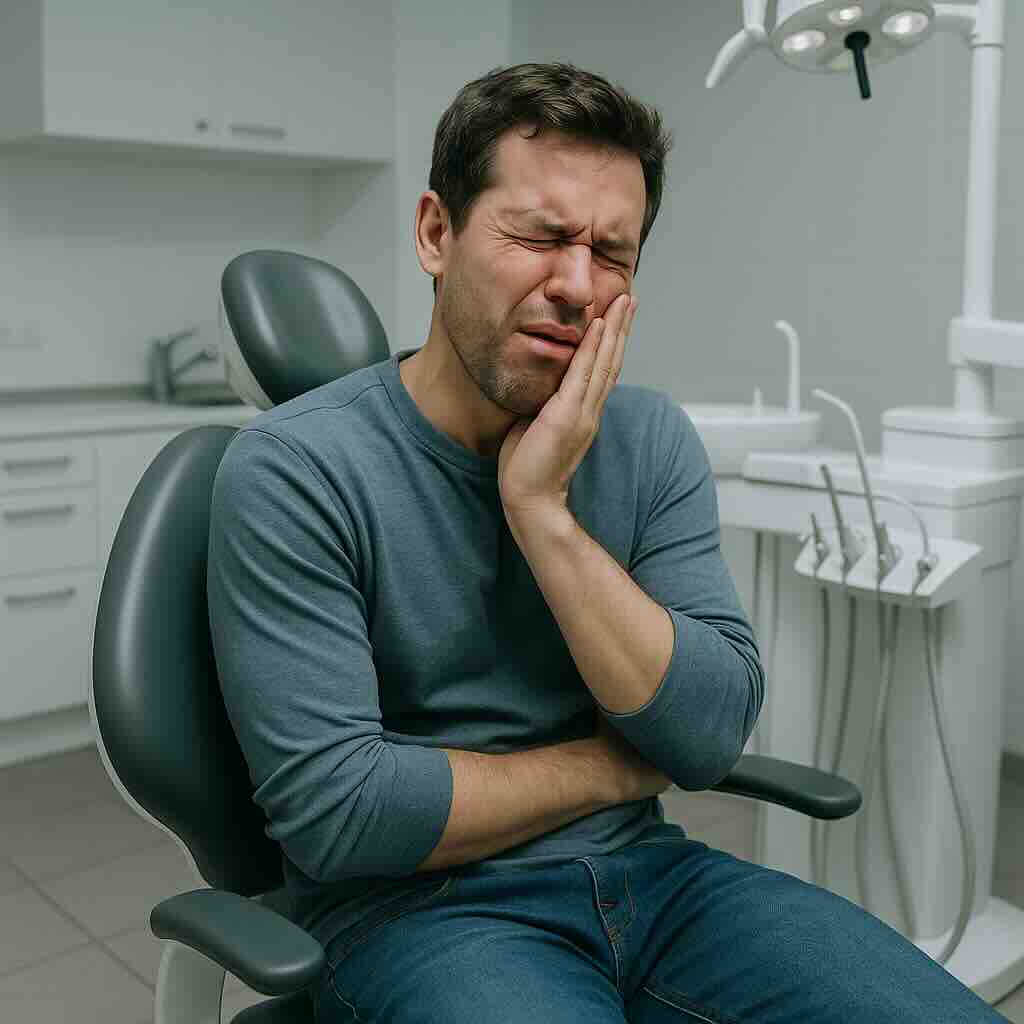
A sudden toothache has a way of taking over everything. It can wake you at 2 a.m., ruin a workday, or turn an ordinary meal into a sharp reminder that something is wrong. People often hope it will settle down on its own, especially if the pain comes in waves. Sometimes it does ease for a few hours. That does not mean the problem has passed.
When pain arrives fast and hard, timing matters. An untreated dental infection can spread. A cracked tooth can worsen with one more bite. A lost filling might seem minor until the exposed tooth nerve starts reacting to cold air. In those moments, knowing when to call an Emergency Dentist, what to do at home, and what not to do can make the difference between a manageable problem and a much bigger one.
The first priority is simple: control the situation without making it worse. The second is getting the right care quickly.
Not every toothache is an emergency, but some are
Tooth pain exists on a wide range. Mild sensitivity after ice cream is not the same as throbbing pain that radiates into the jaw and ear. A sore gum after popcorn hull irritation is different from swelling that changes the shape of your face. People often wait too long because they assume all dental problems can wait for a routine appointment. That is not always safe.
A true dental emergency usually involves severe pain, infection, trauma, uncontrolled bleeding, or a problem that threatens the tooth if treatment is delayed. Dentists who handle emergencies see a familiar pattern: patients often minimize symptoms for a day or two, then arrive when sleep is impossible, swelling has increased, and even over the counter medication no longer touches the pain.
That does not mean every urgent case is dramatic. Some of the most time-sensitive issues look deceptively calm at first. A knocked-out adult tooth, for example, may not bleed heavily, but the window to save it is short. A cracked molar may only sting when chewing, yet one hard bite can split it further.
The first hour matters more than most people think
The first thing to do is pause and assess. Where is the pain? Did it start after biting something hard? Is there swelling, bleeding, fever, or a bad taste in the mouth? Did a crown, veneer, or filling come loose? Those details help you decide whether to call a dentist immediately, seek urgent medical care, or use short-term home measures while arranging an appointment.
One of the most common mistakes is applying something directly to the tooth or gum that should not be there. People still place aspirin on gums, even though it can burn the tissue. Others use clove oil heavily, which may irritate the area. Some rinse aggressively with very hot water, which can intensify inflammation. Gentle care works better than dramatic care.
If you suspect an emergency, call a dental office and say clearly that you have sudden tooth pain, swelling, trauma, or bleeding. Offices often leave room for urgent cases, even when the schedule looks full. If it is after hours, listen to the voicemail carefully. Emergency Dentist Many practices provide an emergency line, weekend instructions, or referral information. If you cannot reach your regular dentist, search specifically for an Emergency Dentist rather than waiting until morning and hoping it improves.
What you can do right away at home
Short-term care at home is useful, but it is not treatment. Think of it as buying time safely.
- Rinse gently with warm salt water to clear debris and soothe irritated tissue.
- Take an over the counter pain reliever as directed on the package, unless your physician has told you to avoid it.
- Apply a cold compress on the outside of the cheek for swelling or after an injury.
- Keep the area clean, and avoid chewing on the painful side.
- If a tooth has been knocked out, hold it by the crown, not the root, and try to get dental help immediately.
These steps sound basic because they are. In emergency dentistry, the best immediate actions are usually the least complicated. The goal is to reduce irritation, limit swelling, and protect the tooth until a professional can examine it.
A practical example helps here. If someone fractures a molar on a popcorn kernel on a Friday night, the safest move is not to test the tooth repeatedly with the tongue or keep chewing dinner on that side. Rinse, take pain relief if appropriate, avoid pressure on the tooth, and call for urgent care. Repeatedly probing the area often turns a crack into a larger break.
When the problem belongs in the emergency room, not just the dental chair
Most dental emergencies belong with a dentist, but a few belong in a hospital emergency department first. Trouble swallowing, difficulty breathing, rapidly spreading facial swelling, heavy uncontrolled bleeding, or signs of serious infection with fever and increasing weakness should not wait for a standard dental callback. Those symptoms can point to a deeper infection or a medical emergency.
- Go to the emergency room right away if swelling affects breathing or swallowing.
- Seek urgent medical care for facial trauma with possible jaw fracture, significant bleeding, or loss of consciousness.
- Get immediate help if you have fever with worsening facial swelling and severe pain.
- Children, older adults, and people with compromised immune systems should be especially cautious with signs of infection.
This is one area where judgment matters. A small puffy gum near a tooth is different from swelling that tracks under the jaw or around the eye. Most people can tell when something has crossed from painful to alarming. Trust that instinct.
The common causes behind sudden tooth pain
Severe dental pain rarely appears without a reason, even if the trigger is not obvious. Cavities are a major cause, particularly when decay reaches the inner pulp where the nerve and blood supply sit. At that stage, cold sensitivity can become lingering pain, then spontaneous throbbing that shows up without any food or drink involved.
Cracks are another frequent culprit. Teeth absorb years of pressure from chewing, clenching, grinding, and temperature changes. A tooth can develop a hidden fracture line that suddenly becomes painful after biting on something ordinary, like crusty bread or a nut. Sometimes the pain appears only when you release the bite, which is a classic clue in cracked tooth cases.
Dental abscesses deserve special attention. An abscess is an infection, usually related to deep decay, a failing root canal, or gum disease. Patients often describe a constant throbbing pressure, tenderness when biting, swelling, a bad taste, or a small pimple-like bump on the gum. If the infection drains temporarily, the pain may lessen, fooling people into thinking it has resolved. It has not. The source still needs treatment.
Lost restorations create another category of urgent discomfort. When a filling or crown comes off, the exposed tooth can become sharply sensitive to air, sweet foods, and temperature. Sometimes the pain is tolerable at first and then escalates as the tooth dries out or cracks further. A missing crown is not always a middle-of-the-night emergency, but it should be addressed quickly, especially if the tooth underneath is broken or painful.
A knocked-out or broken tooth needs fast decisions
Dental trauma has its own rules. If an adult tooth is knocked out completely, time matters. The best chance of saving it is usually within the first 30 to 60 minutes, though successful reimplantation can still happen later in some cases. Handle the tooth carefully by the crown, the part that normally shows in the mouth. Avoid touching the root. If it is dirty, rinse it very briefly with clean water. Do not scrub it. If possible, place it back into the socket and bite gently on gauze or a clean cloth to hold it there. If that is not possible, keep it moist in milk or inside the cheek if the person is old enough to do so safely without swallowing it.
Baby teeth are different. They generally are not replanted because of the risk of damaging the developing adult tooth underneath. That is why it is important to mention the patient’s age when you call.
With broken teeth, the urgency depends on depth and symptoms. A tiny chip with no pain can usually wait a bit. A larger fracture with sensitivity, bleeding from the tooth, or visible yellow or pink inner layers needs prompt attention. Sharp edges can also cut the tongue or cheek, so covering the area temporarily with dental wax can help until you are seen.
Why tooth pain often gets worse at night
People are often surprised that a manageable ache becomes unbearable after dark. There are a few reasons. Lying down can increase blood flow and pressure in inflamed tissues, which can amplify throbbing. At night, there are fewer distractions, so pain feels louder. People who clench or grind during sleep may also irritate an already inflamed tooth further.
This pattern can be misleading. Patients sometimes think nighttime pain means something mysterious is happening, when in reality it often points to inflammation inside the tooth or surrounding tissues. If pain wakes you from sleep or keeps returning at night, it deserves prompt evaluation, even if it fades by morning.
What an Emergency Dentist is likely to do
Many people hesitate to call because they imagine the worst. In practice, the first goal of an emergency visit is often straightforward: diagnose the source of pain, rule out dangerous infection or fracture, and stabilize the situation. Permanent treatment may happen the same day, or it may be scheduled in stages depending on what the tooth needs.
A dentist will usually ask when the pain started, what triggers it, how long it lingers, whether there was trauma, and whether swelling or fever is present. X-rays are common because many urgent problems cannot be judged accurately from the surface alone. A tooth can look intact and still have deep decay or a fracture below the gumline.
Treatment might include removing decay and placing a temporary or permanent filling, adjusting a bite that is hitting too hard on a cracked tooth, recementing a crown, prescribing antibiotics when there is clear infection, draining an abscess, performing root canal treatment, or extracting a tooth that cannot be saved. Dentists generally try to preserve the tooth when possible, but there are situations where extraction is the safest option, especially if the fracture is extensive or the infection has severely damaged the surrounding structures.
Pain relief is part of the plan, but it is not the whole plan. Patients sometimes hope for antibiotics alone. That rarely solves dental pain caused by a dying nerve or trapped infection inside a tooth. Antibiotics can help contain infection in certain cases, but the source usually still needs dental treatment. That is one reason repeated rounds of antibiotics without definitive care often lead people back to the same chair weeks later, usually in worse shape.
What not to do when you are desperate for relief
There is a predictable list of self-remedies that tend to backfire. Aspirin placed directly on the gum can cause a chemical burn. Very hot compresses can increase swelling. Hard rinsing with alcohol based mouthwash can irritate already inflamed tissue. Chewing on the opposite side forever can also create a second problem if it changes your bite and overworks other teeth or the jaw joint.
Another common mistake is postponing treatment because the pain suddenly stops. That can happen when the tooth nerve dies. People think they got lucky. Then a few days later, swelling appears because the infection has moved beyond the tooth. Pain disappearing without treatment is not always good news.
If a crown falls off, avoid superglue or household adhesives. Dentists see this more often than you might think, and it complicates repair. Temporary dental cement from a pharmacy can sometimes help in a pinch, but only if the tooth is not badly broken and the crown fits cleanly back into place. Even then, it is a short bridge to professional care, not a substitute for it.
Children and sudden tooth pain
Children can be hard to read during dental emergencies. Some become dramatic over a loose baby tooth. Others stay quiet even with a significant abscess. A child who refuses to eat, points repeatedly to one side of the mouth, wakes at night crying, or develops facial swelling needs attention quickly. Fever, swelling, or trauma involving permanent teeth should not be brushed off as routine.
A child who knocks out a permanent front tooth during sports is one of the clearest examples of a time-sensitive dental emergency. On the other hand, a knocked-out baby tooth generally requires evaluation, not reimplantation. Parents do not need to know all the dental rules offhand. They just need to call promptly and describe what happened.
The cost question people worry about, often silently
Pain has a way of colliding with practical concerns. Patients often ask, quietly, whether they are signing up for a huge bill just by walking in. Emergency visits vary widely in cost depending on the region, the office, whether imaging is needed, and what treatment is performed that day. An exam and X-rays are very different from an extraction or root canal.
The useful thing to know is that waiting can make care more expensive, not less. A small cavity that flares into a pulp infection may move from a filling to a root canal and crown, or eventually to extraction and replacement. A simple recemented crown can become a fractured tooth if it is left loose too long. Most dental offices understand that emergencies come with financial stress. Many can explain options before treatment begins, prioritize immediate pain relief, and phase care when appropriate.
Prevention does not eliminate emergencies, but it reduces the ugly surprises
Some emergencies are true accidents. A hockey puck, a bicycle fall, an olive pit hidden in a salad, those things happen. But many sudden toothaches begin as problems that were quietly developing for months. Regular exams, cleanings, and early treatment catch decay and cracks before they escalate into weekend emergencies.
Night guards can make a major difference for people who grind their teeth. So can replacing old leaking fillings before they fail dramatically. Patients who have had one dental abscess are often surprised to learn how long the original issue may have been brewing. The body tolerates a lot, until it does not.
There is also value in basic preparedness. Keep your dentist’s number saved in your phone. Know which local office offers after-hours emergency care. If you have children in sports, a well-fitted mouthguard is one of the best bargains in dentistry. It is far cheaper than rebuilding a front tooth after a collision.
How to think clearly when pain makes everything feel urgent
Tooth pain shrinks your world. It is hard to think when every heartbeat seems to land in your jaw. In that state, the best approach is simple and deliberate. Ask three questions. Is there swelling, trauma, or bleeding? Is the pain severe or keeping you from sleep? Is there any sign that breathing, swallowing, or general health is affected? Your answers guide the next step.
For many people, the right response is to contact an Emergency Dentist the same day, use safe comfort measures, and get evaluated before the problem deepens. For a smaller number, especially those with significant swelling or medical red flags, the emergency room comes first.
Emergency DentistThe larger point is this: sudden tooth pain is not something to tough out casually. Teeth do not heal the way a scraped knee does. When they start sending distress signals, there is usually a structural or infectious reason behind it. Fast, sensible action protects more than comfort. It protects the tooth, the surrounding bone, and sometimes your overall health.
When pain strikes suddenly, the goal is not to be heroic. It is to be prompt, careful, and informed. That is what gets people from a miserable night to the right treatment, with the least damage done along the way.
Vitality Dental
1220 Coit Rd # 106, Plano, TX 75075, United States
+1 972-645-4100
FAQ About Emergency Dentist
What counts as a dental emergency?
A knocked-out tooth, significant mouth injury, severe tooth pain, or painful swelling warrants prompt evaluation. Call your dentist and describe your symptoms so the office can advise you on how urgently you need care.
What should I do if I knock out a permanent tooth?
Call a dentist immediately. Handle the tooth by the crown, avoid touching the root, and keep it moist. If you cannot put it back into the socket easily, transport it in milk or a tooth-preservation solution. Bring it with you to the appointment.
Should I go to the emergency room for a dental emergency?
Seek emergency medical care right away if you have trouble breathing or swallowing, uncontrolled bleeding, or a serious facial injury. For an isolated tooth injury or toothache without those symptoms, call a dentist promptly for guidance.