Toothache at Midnight? Call an Emergency Dentist in Plano, TX
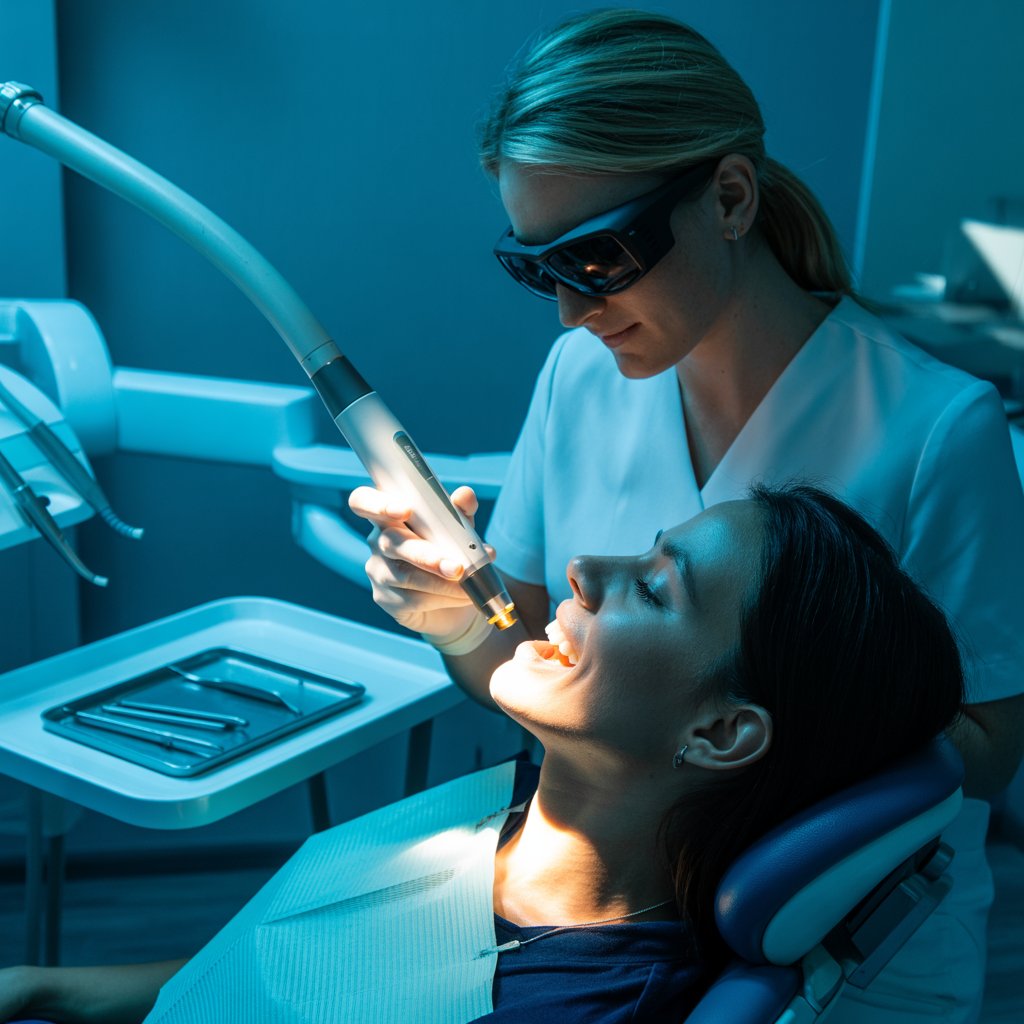
A toothache has a way of changing the entire night. What starts as a dull throb after dinner can turn sharp and relentless by midnight, especially when you lie down and blood flow to the head increases pressure in already inflamed tissue. People who have never had serious dental pain often assume they can wait until morning. Sometimes they can. Sometimes that decision costs them sleep, work, money, and, in the worst cases, the tooth itself.
Dental emergencies rarely arrive at convenient times. They show up after a late meal, during a weekend tournament, on a holiday road trip, or right when every regular office line has switched to voicemail. If you are dealing with severe pain, facial swelling, a cracked tooth, or bleeding that will not stop, the right move is not to tough it out. It is to call an emergency dentist in Plano, TX and get clear guidance fast.
People often think “emergency” means a dramatic accident. In dentistry, the definition is broader and more practical. If the problem threatens your health, your tooth, or your ability to function normally, it deserves urgent attention. I have seen cases where a patient waited because they did not want to overreact, only to end up needing a root canal, extraction, or treatment for an infection that had spread farther than it should have. I have also seen people panic over something uncomfortable but not dangerous, where a calm call and a next-day visit were enough. Knowing the difference matters.
Why midnight tooth pain feels so intense
Nighttime dental pain can feel bigger than the same issue would during the day. Part of that is physical. When you recline, circulation changes and pressure in inflamed tissues can rise. Part of it is environmental. There are fewer distractions, less ambient noise, and no easy access to your usual routines. The brain has a lot of empty space to focus on pain at 12:30 a.m.
Another factor is fatigue. When someone is tired, their tolerance drops. A manageable ache at 4:00 p.m. Can become unbearable by midnight because the body is worn down and stress chemicals are already elevated. Parents notice this with children all the time. An injury that seemed “not too bad” after school suddenly becomes tears at bedtime.
Tooth pain also tends to signal one of a few common problems, and some of them get worse by the hour. An untreated cavity that has reached the pulp can create deep, pulsing pain. A cracked tooth may send intermittent zingers that become constant once the nerve is irritated. An abscess can build pressure and trigger swelling. Food trapped under the gumline can produce sharp soreness that feels out of proportion to its cause. The symptom is one word, toothache, but the reasons behind it vary widely.
What counts as a dental emergency
Patients tend to sort dental problems into two categories, “bad” and “not bad enough.” Real life is more nuanced than that. A small chip on a front tooth may not hurt but can still need prompt repair if the edge is slicing the tongue. Mild sensitivity to cold can probably wait a few days. A lost filling in a tooth that now aches with every breath of air may need same-day care.
These situations usually justify an urgent call to an emergency dentist in Plano, TX:
- Severe tooth pain that does not ease with standard over the counter pain relief, or keeps you from sleeping, eating, or speaking normally.
- Swelling in the gums, face, or jaw, especially if it is spreading, warm to the touch, or accompanied by a bad taste or fever.
- A knocked-out tooth, a loose adult tooth after trauma, or a broken tooth with visible nerve exposure and significant pain.
- Bleeding in the mouth that does not stop after steady pressure, or pain after a recent extraction that seems extreme or worsening.
- Trouble swallowing, trouble breathing, or rapidly increasing swelling, which can signal a serious infection and may require immediate emergency medical care.
That last point deserves special emphasis. Dentists manage many urgent problems, but some infections move beyond the tooth. If swelling is affecting the airway or making it hard to swallow, do not spend time debating. Seek emergency medical attention immediately.
The difference between urgent and inconvenient
Some dental issues are miserable without being true emergencies. A crown that comes off but leaves no pain can often be managed until the next available appointment. The same is true for a wire poking from braces, mild gum tenderness after popcorn, or a minor chip that does not involve sensitivity. Those problems still matter, but they do not typically threaten the tooth overnight.
The challenge is that patients do not have X-ray vision. What seems minor can hide something larger. A cracked molar may look like “just a small line” while the fracture runs much deeper. A little swelling around one gum pocket might reflect a localized abscess. That is why the phone call matters. A good emergency dental office will ask specific questions, listen for red flags, and tell you whether you should come in immediately, monitor at home, or head to a medical ER instead.
This is where local access helps. Searching for an emergency dentist in Plano, TX is not simply about convenience. It shortens the time between symptom and treatment. It also means the office is more likely to understand where patients can be referred after hours if a hospital setting is more appropriate.
What to do in the first 30 minutes
The first half hour sets the tone. People often make things worse by applying aspirin directly to the gum, using very hot compresses, or trying to “test” the painful tooth repeatedly. The better approach is simple and calm.
If you are in pain and waiting for a call back or heading to the office, do this:
- Rinse gently with warm salt water to clear debris and soothe irritated tissue.
- Take an over the counter pain reliever as directed on the label, unless your physician has told you to avoid it.
- Use a cold compress on the outside of the cheek if there is swelling or recent trauma.
- Keep your head elevated rather than lying completely flat.
- If a tooth was knocked out, hold it by the crown, not the root, and place it in milk or saliva while you seek care immediately.
A few warnings belong here. Do not place aspirin on the tooth or gum. It can burn soft tissue and does not solve the underlying problem. Do not use sharp objects to dig around the tooth. If food is trapped, try floss gently once, then stop. And do not ignore fever, foul drainage, or swelling under the jaw. Those signs raise the stakes.
The midnight scenarios dentists see most often
The classic midnight call is the patient with throbbing molar pain who has been taking pain relievers every few hours and still cannot sleep. Frequently, the source is deep decay or inflamed pulp inside the tooth. At that stage, the nerve is irritated enough that temperature changes, pressure, and even your pulse can make it pound. Sometimes the tooth has had a filling for years and suddenly tips into crisis after the decay spreads under the old restoration. Other times the patient knew there was a cavity and life got busy.
Another common scenario is the cracked tooth from dinner. A hard seed, a popcorn kernel, ice, or even a crusty piece of bread can create a fracture in a tooth that already had a large filling. The person does not always hear a crack. They notice it when biting becomes electric on one side, then lingers into a deep ache. These are the cases where chewing “just to see if it still hurts” is a bad experiment. Repeated pressure can worsen the fracture line.
Then there are the swelling calls. A patient feels pressure near a tooth or gumline, notices the cheek looks puffy in the bathroom mirror, and starts to worry when the area gets warmer or more tender over a few hours. This is not a symptom to postpone casually. Dental infections can remain localized, but they can also spread into surrounding tissue. That does not mean every swollen gum is catastrophic. It does mean swelling deserves prompt professional judgment.
Sports injuries and falls create their own after-hours stream. Plano is full of active families, and weekend games do not care what time the dental office closed. A child takes an elbow to the mouth. An adult slips on a patio and chips an incisor. A teenager arrives home after practice with a loose tooth and a split lip. In trauma cases, timing matters. Teeth that are displaced or knocked out have better outcomes when evaluated quickly.
What happens when you call an emergency dental office
People are often surprised by how practical the phone call is. It is not just scheduling. The office will usually ask where the pain is, how long it has lasted, whether there is swelling, whether you have a fever, whether there was trauma, and what you have already tried. If you can answer clearly, the team can often tell a lot before they ever see you.
In many cases, the immediate goal is straightforward: control pain, reduce infection risk, and prevent further damage until definitive treatment can be completed. That treatment might happen in one visit, or it might be staged. For example, if a tooth is severely infected, the urgent appointment may focus on diagnosis, drainage if appropriate, medication when indicated, and a plan for root canal treatment or extraction. If a crown came off, the priority may be to protect the exposed tooth structure and reduce sensitivity. If a front tooth broke, appearance matters too, but preserving enamel and dentin matters more.
This is also where realistic expectations help. Emergency dentistry is not always instant relief in five minutes. Some problems respond quickly once pressure is relieved or the source is stabilized. Others improve over a day or two after treatment because inflamed tissues need time to calm down. Good dentists explain that difference honestly.
Toothache myths that lead people in the wrong direction
One of the most stubborn myths is that if the pain fades, the problem is gone. Sometimes the opposite is true. A tooth can stop hurting because the nerve has died, which may sound like good news until infection develops around the root. Patients sometimes interpret the silence as healing and then show up later with swelling.
Another common mistake is relying on antibiotics as if they are the entire treatment. Antibiotics can be important in specific cases, especially where infection is spreading or systemic symptoms are present, but they do not remove decay, seal a crack, or clean out infected nerve tissue by themselves. The source still needs treatment. Pain that “improves on antibiotics” without dental follow-up often returns.
There is also a misconception that emergency dental care always means extraction. Not true. Many urgent problems are treated specifically to save the tooth, whether through bonding, a crown, root canal therapy, splinting after trauma, or simply timely intervention before the damage worsens. Waiting is often what turns a salvageable situation into a lost tooth.
Why local knowledge matters in Plano
Plano patients have a mix of needs that influence after-hours dental care. Families with children need guidance that accounts for baby teeth versus adult teeth. Commuters and professionals need early morning or late-day options because missing work on short notice is not simple. Athletes, students, and older adults each bring different patterns of injury and wear.
A local emergency dentist in Plano, TX will usually understand those rhythms. They know that a school night injury is different from a weekend flare-up before a business trip. They know patients may have regular dentists elsewhere but need urgent help now. They also know the practical realities of referral networks, imaging access, pharmacies that stay open later, and when a patient should bypass the dental chair for hospital-level care.
That local judgment matters more than polished marketing copy. In urgent care, responsiveness, triage skill, and treatment experience count.
How dentists decide what treatment you need
From the patient side, all severe dental pain can feel similar. From the clinical side, a few details change everything. Is the pain spontaneous, or only when you bite? Does cold trigger it for a few seconds, or for several minutes? Is there swelling? Was there trauma? Is the tooth already heavily restored? Those answers point toward pulp inflammation, fracture, periodontal involvement, sinus overlap, or referred pain from nearby structures.
An exam often includes visual inspection, percussion, mobility testing, temperature response, and X-rays. If you are swollen, the dentist will look carefully at where the swelling starts and how far it extends. If a tooth is cracked, special lighting or bite tests may reproduce the pain. If the issue followed an extraction, the dentist may check for a dry socket, a condition where the blood clot has dissolved or dislodged and exposed bone, causing intense pain that often worsens a couple of days after the procedure.
This is why self-diagnosis has limits. Emergency dentist Plano, TX vitalitydentaldfw.com Plenty of patients are convinced the top left tooth is the problem when the lower tooth is actually referring pain upward. Others think they have a cavity when the true issue is clenching and a cracked cusp. Urgent care is as much about accurate sorting as it is about treatment.
Cost, insurance, and the question people hesitate to ask
Late at night, people often delay calling because they are worried about the bill. That concern is understandable. Emergency care can involve an exam, X-rays, palliative treatment, and then the definitive procedure on another day. Costs vary depending on what is wrong. A simple re-cement of a crown is not priced like root canal therapy or extraction.
Still, delay can become the more expensive option. A small fracture can evolve into a split tooth. A cavity that might have been restored with a filling can progress to the pulp and require more involved treatment. An infection left to develop may mean a more complicated visit, more time off work, and more discomfort.
The practical move is to ask direct questions when you call. Many offices can explain the emergency exam fee, what insurance typically covers, and what decisions can be made after diagnosis. That is not rude. It is smart. Professional offices hear those questions every day.
What parents should know when a child wakes up crying
Children are a special category because they struggle to describe pain accurately. A child may point to the entire side of the face when only one tooth hurts. They may also go from fine to miserable quickly, especially if swelling is present. If a child wakes at night crying with tooth pain, look for visible swelling, fever, or a history of recent injury. If the face is enlarging, they are drooling, or they have trouble swallowing, that is urgent.
Parents also need to know the difference between baby teeth and adult teeth after trauma. A knocked-out baby tooth is generally not replanted. A knocked-out permanent tooth is time-sensitive and needs immediate professional attention. When in doubt, call right away and describe the age of the child and which tooth is involved. Even a photo can help an office guide you.
One practical point many parents miss is that sweets before bed are not the only trigger for nighttime pain. Many severe toothaches in children stem from cavities that have been silent for a long time and only declare themselves once the nerve is involved. The midnight wake-up call is often the end of a process that started months earlier.
When the emergency room is the right place
Dental offices are designed for teeth, gums, jaws, and many forms of oral pain. They are not the right setting for every crisis. If you have rapidly spreading swelling, difficulty breathing, difficulty swallowing, severe facial trauma, uncontrolled bleeding, or signs of a systemic illness such as high fever and marked weakness, a hospital ER may be the safer first stop.
This does not diminish the role of emergency dentistry. It clarifies it. The best dental professionals know where their lane ends and will tell you so. Patients benefit when that line is respected early rather than after precious time is lost.
The next morning starts tonight
The biggest mistake with dental emergencies is waiting for daylight as if time itself will diagnose the problem. It rarely does. Pain may ease temporarily, but the reason for it remains. If your toothache is severe, your face is swelling, or an injury has changed the position or integrity of a tooth, treat that as actionable information.
Call an emergency dentist in Plano, TX, explain what is happening, and follow the guidance you receive. Even when the final treatment is scheduled for later, the first step can protect the tooth, reduce pain, and keep a manageable problem from turning into a much larger one. Midnight is a bad time for a toothache. It is also the right time to take it seriously.
Vitality Dental
1220 Coit Rd # 106, Plano, TX 75075, United States
+1 972-645-4100
FAQ About Emergency dentist Plano, TX
Will the ER do anything for dental pain?
An emergency department can assess urgent symptoms and provide medical stabilization. Definitive treatment of the tooth usually requires a dentist. Seek emergency medical care for breathing or swallowing difficulty, uncontrolled bleeding, or serious facial injury.
What to do if I have a dental emergency in the middle of the night?
Contact a dentist or after-hours dental service promptly for guidance. If a permanent tooth is knocked out, keep it moist in milk while seeking immediate care. If symptoms suggest a medical emergency, go to an emergency department.
What qualifies as a dental emergency?
A knocked-out permanent tooth, severe or persistent tooth pain, a significant dental injury, or swelling may require urgent dental assessment. Call a dentist to describe the symptoms and determine timing. Uncontrolled bleeding or difficulty breathing or swallowing requires emergency medical care.